How to Choose a Hot Pot Broth
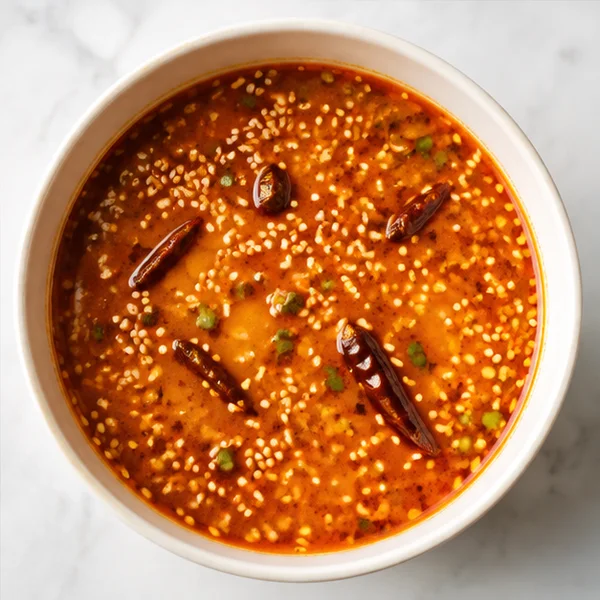
Choose by the strongest preference at the table: spice tolerance, dietary needs, or the main ingredient. A broth should support the food, not overpower it. Delicate seafood and premium beef are easiest to taste in clear or lightly seasoned broth, while tofu, noodles, tripe, and root vegetables can handle a richer mala base.
| If you want… | Start with | Best first ingredients |
|---|---|---|
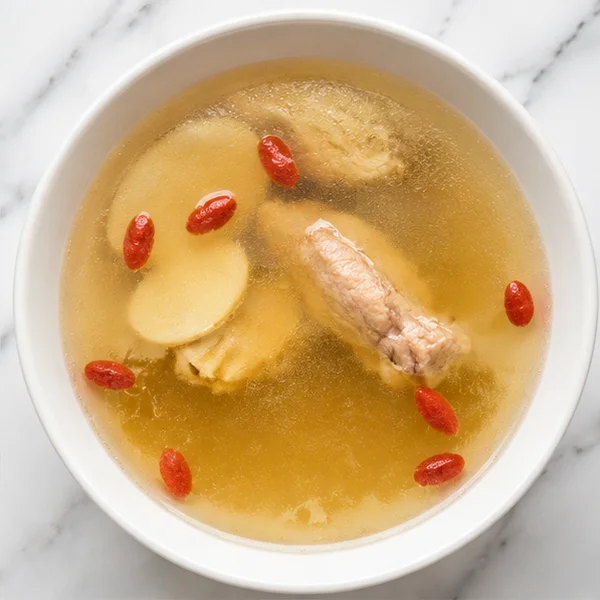
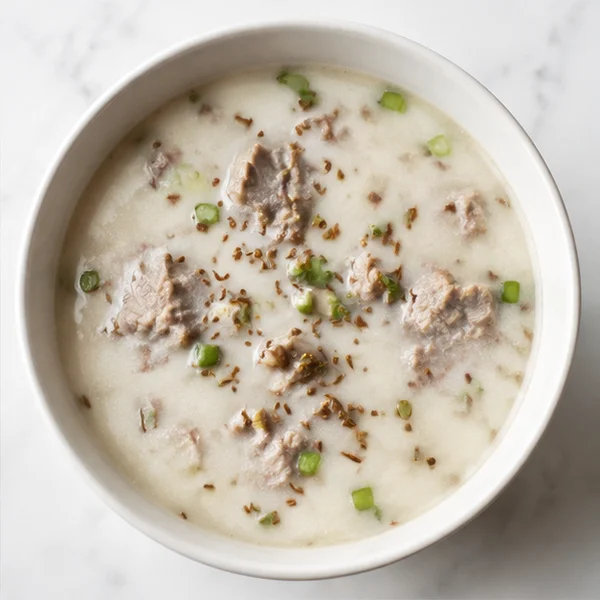
| No spice and maximum flexibility | Clear Bone | Beef, shrimp, tofu, napa cabbage |
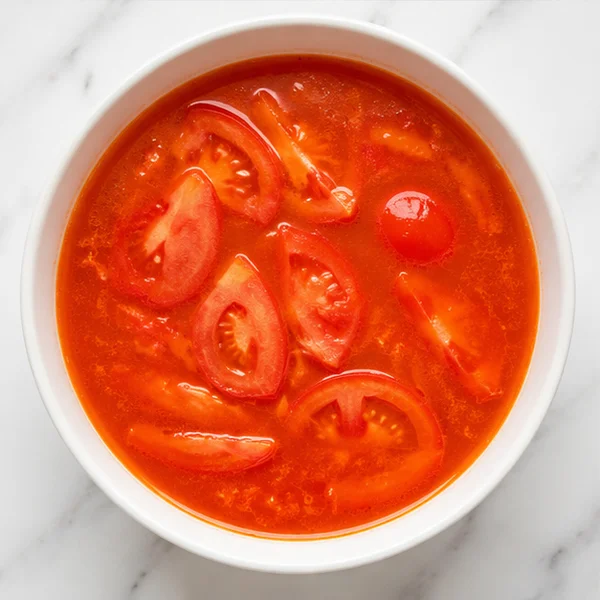
| Mild, sweet, and familiar | Tomato | Fish balls, beef, mushrooms, noodles |
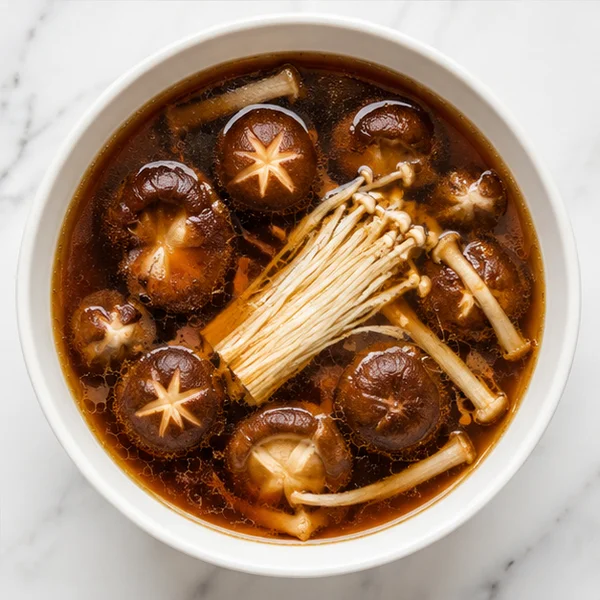
| Deep plant-forward umami | Mushroom | Tofu, greens, lotus root, noodles |
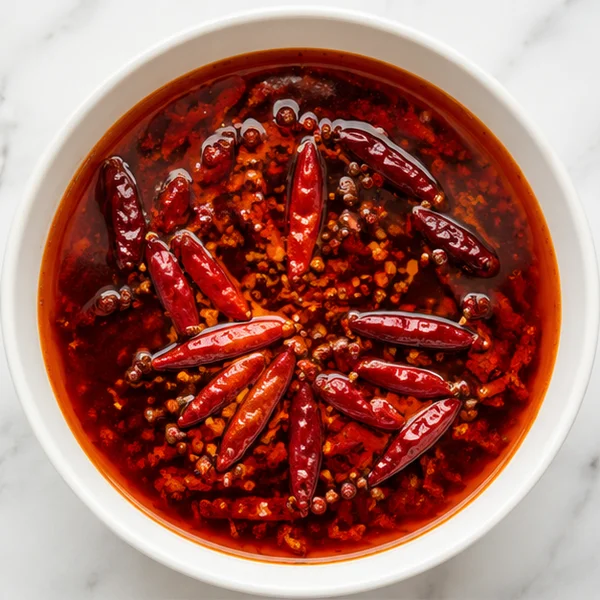
| The classic numbing-spicy experience | Sichuan Mala | Maodu, beef, tofu skin, potato |
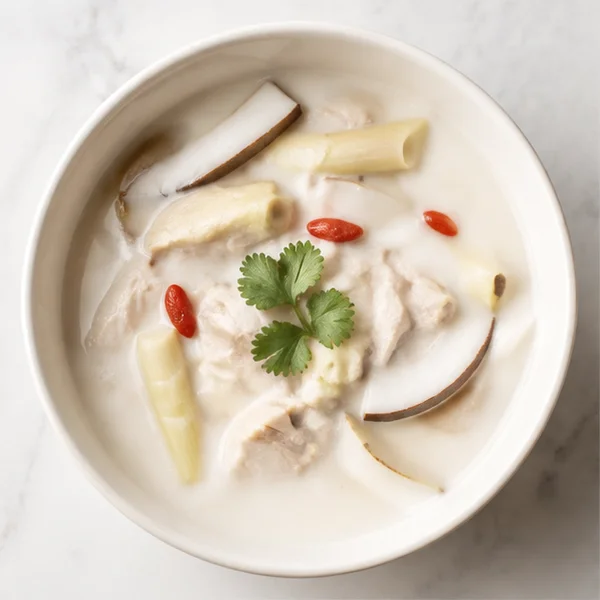
| A gentle broth built around chicken | Coconut Chicken | Chicken, shrimp, corn, winter melon |
Using Store-Bought Broth Base
Start with less concentrate than the packet suggests, then adjust after the first boil. Commercial bases become saltier as water evaporates and ingredients contribute seasoning. Keep a kettle of hot water nearby for topping up; cold water interrupts cooking and makes timing less predictable.
Check the label for allergens and animal ingredients. “Mushroom” or “tomato” on the front does not guarantee a vegetarian product, and many mala bases use beef tallow. If guests have different dietary needs, separate broth compartments and utensils are safer than relying on one shared pot.
When the Broth Changes During the Meal
Skim foam after cooking meat, top up when the level drops, and add noodles only at the end. If the broth becomes too salty, dilute it with hot water rather than adding sugar. If it tastes flat, let mushrooms, corn, or napa cabbage simmer before reaching for more concentrate.