Arxan ice-boiled lamb, Ā'ěrshān bīngzhǔ yáng (阿尔山冰煮羊), is an Inner Mongolia hot pot whose opening scene is hard to forget: pieces of ice share the vessel with lamb before heat turns the pot into a clear, steaming soup. The presentation connects naturally with Arxan, a forest-and-grassland destination known for cold winters, snow tourism, and local meat. It also invites a tempting but unsupported shortcut—claiming that ice scientifically tenderizes the lamb.
Reliable cultural and tourism sources confirm the regional dish and the ice-first presentation, but they do not establish a controlled tenderizing mechanism or one universal recipe. The honest explanation is therefore more interesting than a myth: ice changes the starting temperature and creates a dramatic cooking sequence, while lamb quality, cut, handling, salt, and final doneness all influence texture. This guide keeps those facts separate.
What Is in an Arxan Ice Pot?
Lamb is the central ingredient. A restaurant may add water or stock, scallion, ginger, onion, goji berries, mushrooms, or local greens. Cultural-tourism descriptions also mention forest ingredients such as wild mushrooms and liǔhāoyá (柳蒿芽), a regional edible plant. Their presence is not guaranteed, and wild foods should never be identified or gathered casually by visitors.
The broth is usually much milder than Sichuan mala hot pot. Its purpose is to frame lamb rather than coat it in chili oil. That puts it closer to northern clear-broth traditions, yet the ice-first staging and Arxan setting give it a different identity from Beijing copper-pot lamb.
What Does the Ice Actually Do?
Ice lowers the pot's initial temperature and melts as the vessel heats. It may make the transition from raw ingredients to simmering broth slower and more visible. Beyond that, claims require evidence. Ice does not automatically prove that muscle fibers “lock in juice,” that minerals enter the meat, or that the lamb becomes safer or more nutritious.
Texture depends on the animal, cut, thickness, storage, preparation, and final temperature. A tender meal can coexist with an appealing ice presentation without the ice being the sole cause. Treat phrases such as “thermal expansion makes the meat tender” as restaurant storytelling unless a credible controlled study supports them.
How the Meal Proceeds
- The server arranges ice, lamb, and the restaurant's chosen aromatics.
- The pot heats gradually until the ice melts and the liquid reaches a strong simmer.
- Diners wait for staff confirmation that the lamb is safely cooked before tasting.
- Vegetables, mushrooms, tofu, or noodles may follow after the lamb course.
- Hot water or stock is added if the liquid reduces too far.
Do not copy a fixed number of seconds from a short video. Large pieces, a crowded pot, frozen centers, altitude, and burner power can all change cooking time. At home, cook whole cuts of lamb to an appropriate safe internal temperature and follow local food-safety guidance; ground lamb and mixed meatballs generally require more thorough cooking than intact cuts.
Dipping Sauce and Side Dishes
A restrained sauce lets the lamb remain recognizable. Sesame paste, garlic, scallion, cilantro, fermented tofu, soy sauce, or a little chili may appear, but combinations vary. Check sesame, soy, wheat, and fermented-product ingredients. If the broth contains wild mushrooms or unfamiliar herbs, ask staff to identify them rather than guessing.
Northern flatbread, noodles, potatoes, cabbage, or mushrooms can extend the meal. Order gradually. Lamb plus dense starches becomes filling quickly, and a crowded pot takes longer to recover its simmer. Use the hot pot builder to plan a balanced protein, vegetable, tofu, and starch selection.
Wild Mushroom and Plant Safety
Arxan tourism materials celebrate forest foods, but “wild” is not a synonym for safe. Never collect or add a mushroom based on a photograph, phone app, color rule, or a stranger's confidence. Use only food supplied by a licensed restaurant or reputable retailer, and follow the full cooking instructions. Cooking does not make every poisonous species safe.
The same caution applies to regional greens. A familiar English common name may refer to several plants, and allergies remain possible. Ask what the ingredient is, whether it was commercially sourced, and how it should be cooked. If anyone develops nausea, confusion, breathing difficulty, or other acute symptoms, stop eating and seek urgent medical help.
A Safe Home Adaptation
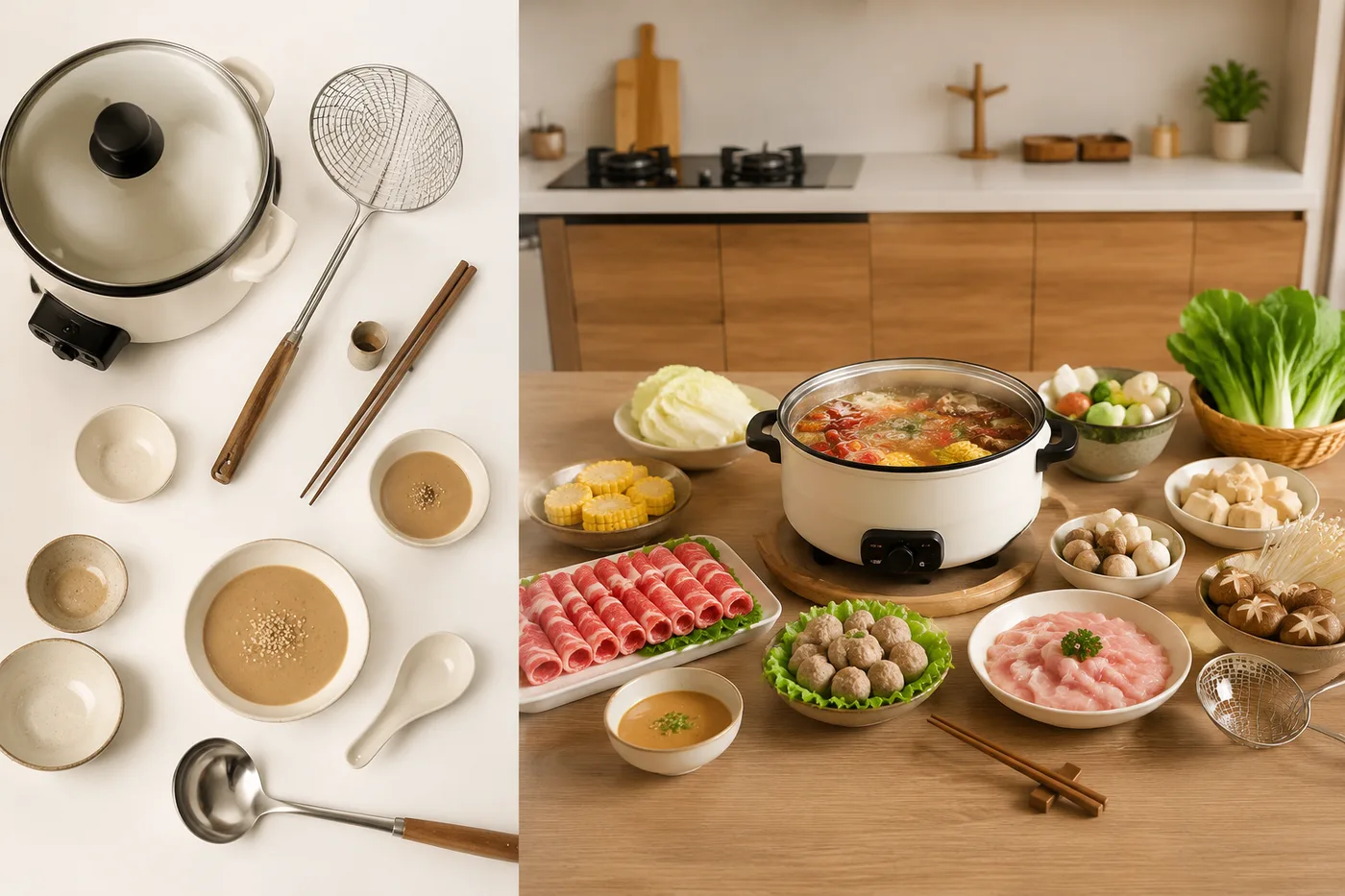
Choose a wide electric hot pot, commercially produced ice made from potable water, refrigerated lamb from a reputable seller, and a simple stock. Arrange ice and aromatics for the visual effect, then heat the liquid fully. Keep raw lamb on a separate tray, use dedicated tongs, and cook in manageable batches. Do not taste the broth while raw meat is still undercooked.
If using a traditional metal vessel, remember that the metal does not require charcoal. Electric and induction-compatible designs can reproduce the communal layout without combustion. Never burn charcoal indoors, in a tent, vehicle, or enclosed balcony. Professional restaurant ventilation is not equivalent to opening a household window.
How to Order It in Arxan
Ask whether the listed portion is bone-in or boneless, whether vegetables are included, and whether the broth contains mushrooms. Tell the restaurant about allergies before the pot arrives. Let staff manage the initial cooking sequence, then request a clean ladle for broth and separate tongs for any additional raw meat.
Because the dish is linked to a destination, menus may emphasize spectacle. Judge the meal by ingredient handling, a clean work area, clear staff instructions, and the taste of the cooked lamb—not by fog, oversized ice blocks, or an unverifiable claim about ancient nomads. Current restaurant names and hours change, so use recent local listings after learning the style.
Arxan on the Chinese Hot Pot Map
Arxan adds a forest-and-grassland perspective to the national hot pot story. Cangzhou begins with braised chicken; Qinghai arranges cooked and sturdy foods in layers; Ula uses sauerkraut and a substantial northeast pantry; Arxan makes the heating transition itself visible. The Chinese regional hot pot guide connects these systems.
For a broader comparison of broth, featured ingredients, cookware, and spice, visit the styles hub. If lamb is new to you, the lamb ingredient guide explains handling and pairings. The defining lesson is simple: preserve the striking ice-first presentation, but keep culinary description, food safety, and scientific claims in their proper lanes.