What Is Lotus Root?
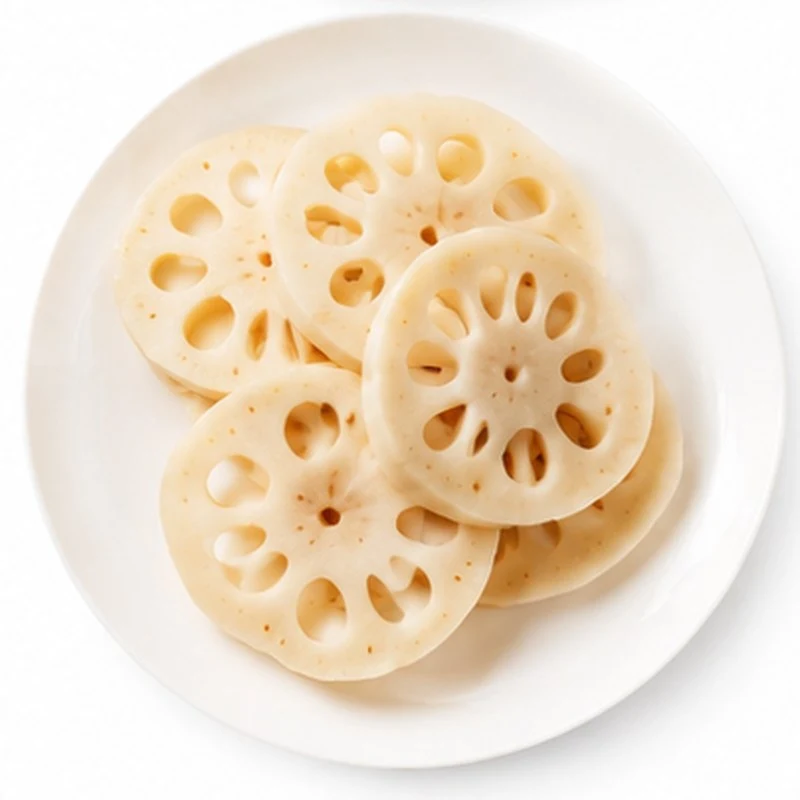
Sliced lotus root reveals a spectacular cross-section of circular tunnels that looks like a natural geometric wonder. It cooks to a pleasantly starchy, slightly crunchy texture that is uniquely satisfying in hot pot — not quite a vegetable, not quite a starch. Its neutral flavor absorbs surrounding broth well, and its visual impact on the table is unmatched. Thin slices (2–3 mm) cook faster and stay crunchy; thicker cuts (5+ mm) become more starchy and soft.
Flavor & Texture
Flavor
Mildly starchy, earthy, slightly sweet
Texture
Crunchy-firm with a starchy bite; softens with longer cooking
How to Cook Lotus Root in Hot Pot
Slice into 5mm rounds — the hollow tunnels fill with broth as they cook. Add early (5-8 minutes) as they take longer than most vegetables. Test with a chopstick — done when it slides in easily.
Best Broths to Pair With
Recommended Dipping Sauce
Light sesame-soy sauce — the earthy flavour pairs poorly with very spicy sauces. Sichuan-style black vinegar with chili is the exception that works.
Substitutes & Alternatives
Potato slices (same starchy quality, much less visual drama). Daikon radish (similar crunch, slightly sharper flavour). Taro slices (slightly more flavour, similar density).
Common Mistakes to Avoid
- Adding at the same time as quick-cooking vegetables — it needs 5–8 minutes minimum
- Expecting it to become soft like potato — it retains crunch even when fully cooked, which is correct
- Slicing thinner than 5mm — thinner slices break apart and lose the visual appeal of the hollow channels
Regional Styles That Feature This
Frequently Asked Questions
What are the holes in lotus root?
Lotus roots grow underwater in muddy ponds. The hollow tunnels running through the root are air channels that allow the plant to transport oxygen from leaves above water to the roots below.