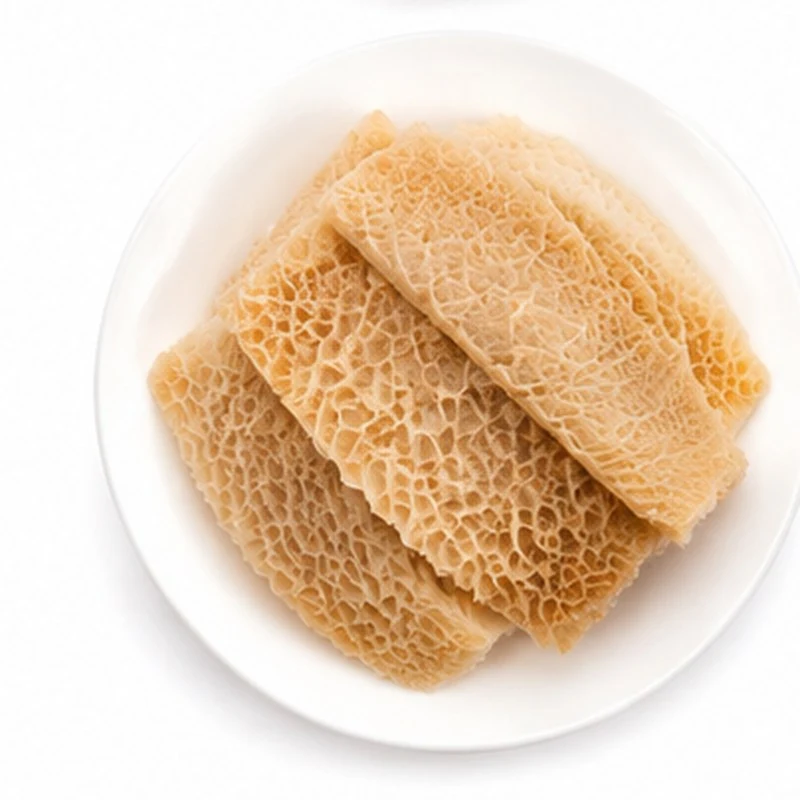
What Is Beef Tripe (Maodu)?
Maodu (毛肚) — honeycomb beef tripe — is arguably the most iconic ingredient of Chongqing-style hot pot. Its velvety, porous surface soaks up spicy broth like a sponge, delivering an explosive hit of flavor in every crunchy bite. The texture is uniquely satisfying: crisp and springy, with none of the rubbery unpleasantness that poorly cooked tripe can have. Mastering the "七上八下" (seven dips up, eight dips down) technique is a rite of passage for hot pot lovers.
Flavor & Texture
Flavor
Mild on its own — absorbs broth flavor intensely
Texture
Crisp, crunchy, springy — not rubbery when cooked right
How to Cook Beef Tripe (Maodu) in Hot Pot
Do not be tempted to leave it in the broth — it becomes rubbery within 20 seconds. The traditional 七上八下 (qī shàng bā xià) method: dip the strips in rolling broth 7 times up and 8 times down, around 7–10 seconds total per batch. They are ready when they curl up and firm. Eat immediately — they continue cooking from residual heat.
Best Broths to Pair With
Recommended Dipping Sauce
Classic Chongqing pairing: sesame oil base with crushed garlic, chili oil, and a touch of MSG. The sauce must be bold enough to stand up to the mala broth.
Substitutes & Alternatives
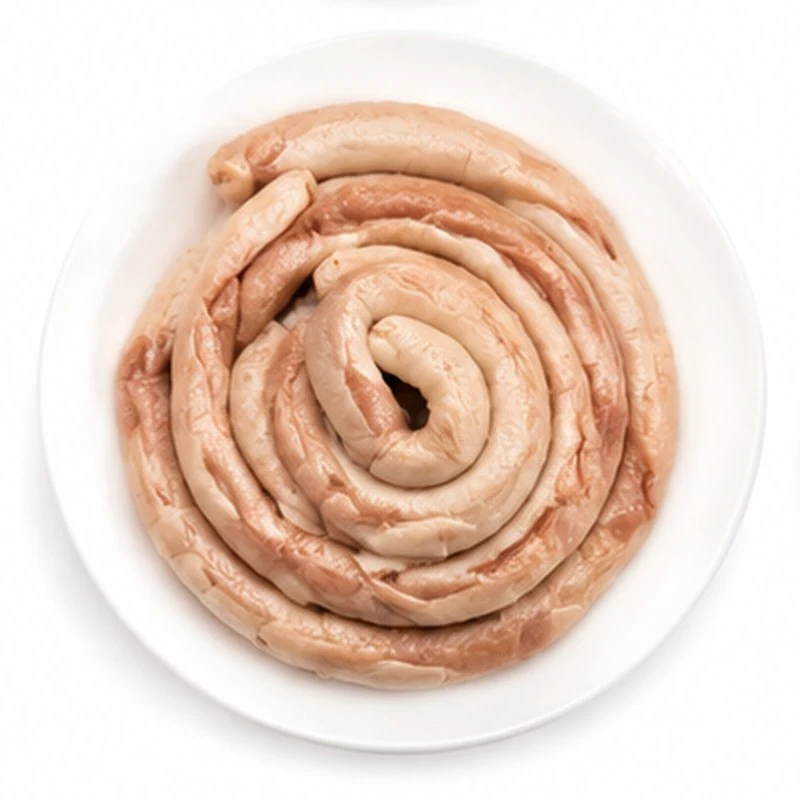
Honeycomb tripe from supermarkets (different cut but similar texture). Pig tripe (猪肚) if beef tripe is unavailable — shorter cooking time needed.
Common Mistakes to Avoid
- Cooking longer than 15 seconds — it becomes rubber, not crunch
- Not moving it constantly in the broth — uneven cooking ruins the texture
- Ordering it after the broth gets cloudy — always order maodu first while the broth is fresh
Regional Styles That Feature This
Frequently Asked Questions
What does maodu taste like?
Mild on its own — slightly mineral, clean. The texture is the real experience: intensely crunchy, with a satisfying snap. In mala broth it absorbs the numbing-spicy flavors beautifully. First-timers are usually converted immediately.
What is maodu in English?
Maodu (毛肚, máo dù) translates literally as "hairy stomach" — a reference to the textured surface of the reticulum (second stomach of cattle). In English, the closest term is "beef tripe" — but the hot pot cut is specifically the reticulum, not honeycomb or blanket tripe.
Is maodu the same as tripe?
Maodu is a specific type of tripe — the reticulum (second stomach lining). It has a honeycomb-like texture on one side and a smooth reddish side. It is different from the flat blanket tripe sold in Western supermarkets.