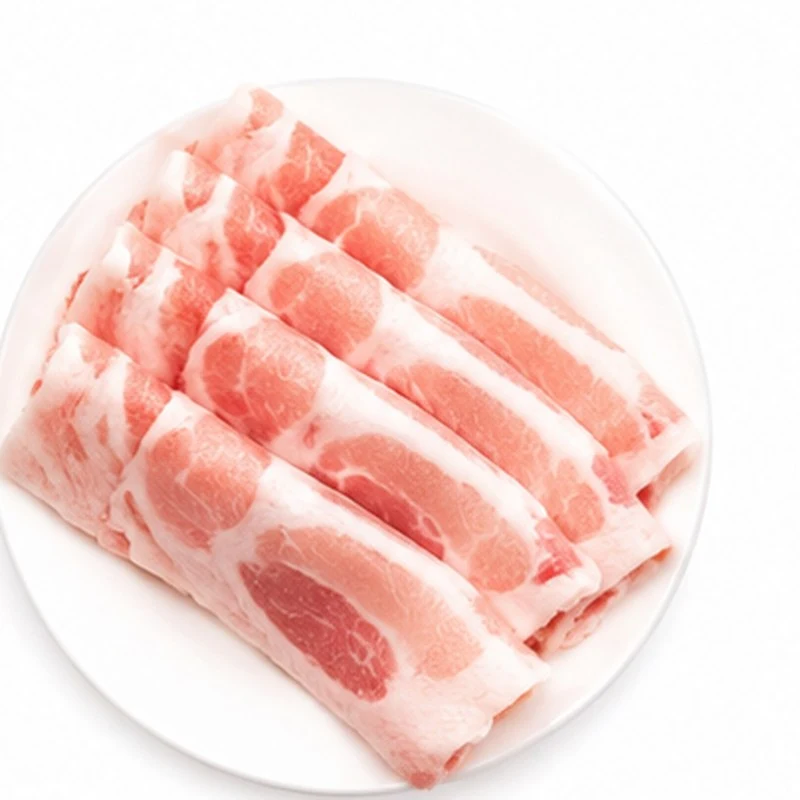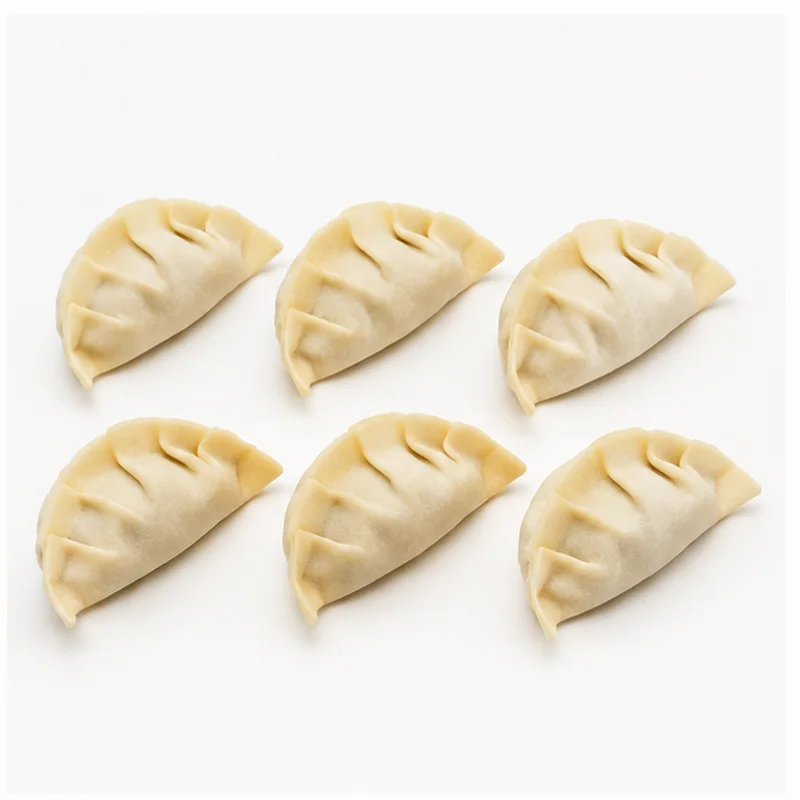
What Is Luncheon Meat (Spam)?
Canned luncheon meat — generically called Spam in hot pot culture regardless of brand — is a beloved, unapologetically retro hot pot ingredient across China, Hong Kong, and Southeast Asia. Sliced into thick rectangles, it develops a lightly caramelized crust in the hot broth, turning crispy-edged and creamy-centered. It is salty, comforting, and completely unpretentious. Do not let anyone shame you for ordering it.
Flavor & Texture
Flavor
Salty, savory, deeply umami, slightly sweet
Texture
Firm with a creamy center; edges crisp slightly in broth
How to Cook Luncheon Meat (Spam) in Hot Pot
Slice into 1cm rounds. Add to boiling broth for 1-2 minutes. The exterior will develop a slight firmness while the inside stays soft. Watch for it to puff slightly.
Best Broths to Pair With
Recommended Dipping Sauce
Barely needs sauce — it is very salty already. A small drizzle of sesame oil or light chili oil is all that's needed if you want something.
Substitutes & Alternatives
Chinese sausage (腊肠, lā cháng) — different texture but similar processed-pork comfort food role. Thick-cut bacon slices as a Western equivalent.
Common Mistakes to Avoid
- Using Western SPAM brands — Chinese brands (Maling, Master Kong) are saltier and better calibrated for hot pot broth
- Adding too much — it raises the broth's overall saltiness with extended cooking time
- Slicing thinner than 1cm — it falls apart in the broth; thick slices are essential
Regional Styles That Feature This
Frequently Asked Questions
Why is spam/luncheon meat popular in Chinese hot pot?
Luncheon meat entered China through Western influence and became a staple in instant noodles and hot pot in the mid-20th century. Its saltiness and umami-richness make it naturally compatible with hot pot broth. It is especially beloved by younger generations as comfort food.