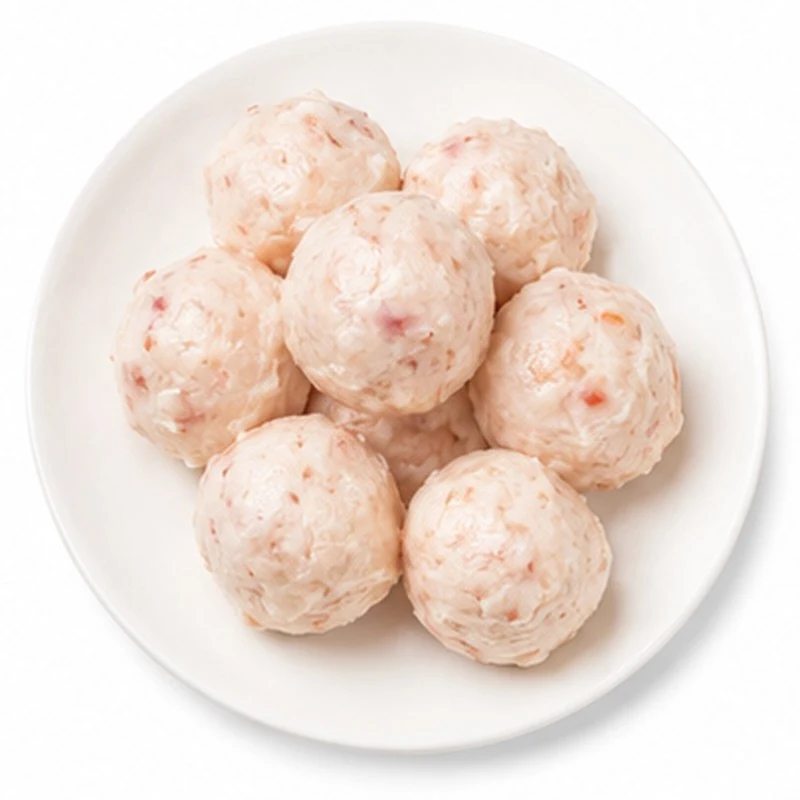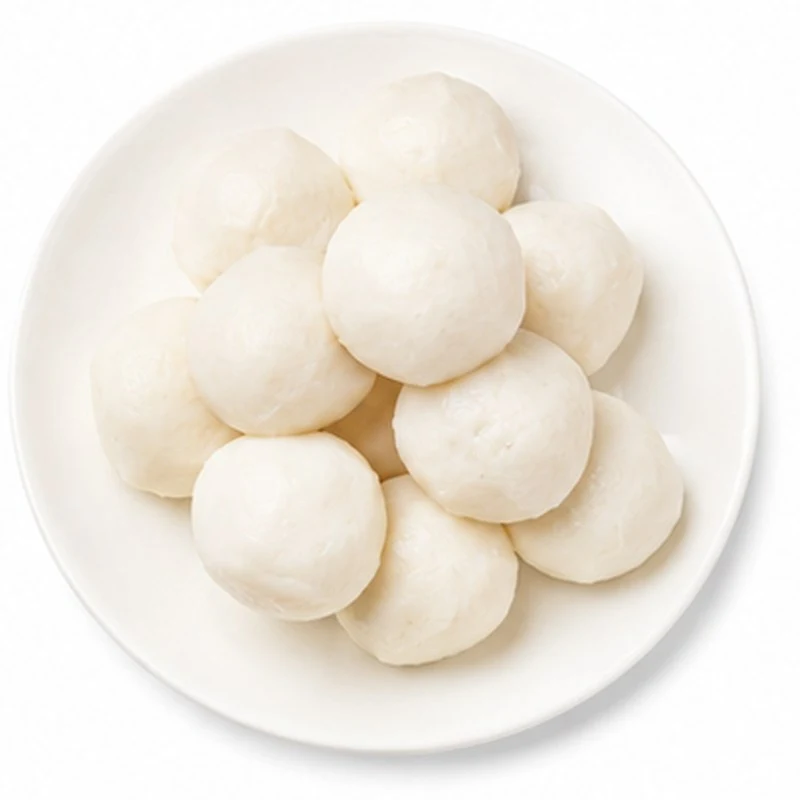
What Is Fish Balls?
Fish balls are among the most ancient and universal of Chinese hot pot ingredients, with regional variations spanning from Hong Kong-style smooth fish balls to Chaoshan-style hand-beaten ones with herbs mixed in. A good fish ball is uniformly white, springy when pressed, and light in texture. They absorb surrounding broth flavors readily, making them chameleons that taste different in Sichuan versus Cantonese versus Japanese-style broths.
Flavor & Texture
Flavor
Clean, mild fish flavor — broth-absorbent
Texture
Springy and firm, with a slight bounce
How to Cook Fish Balls in Hot Pot
Add directly to the broth from frozen or refrigerated. Cook until they float to the surface and feel bouncy when pressed — about 2-3 minutes. They can stay in the broth longer without overcooking.
Best Broths to Pair With
Recommended Dipping Sauce
Spicy sha cha sauce or chili-soy — fish balls are neutral enough to pair with almost any sauce. Hong Kong diners traditionally use just curry sauce.
Substitutes & Alternatives
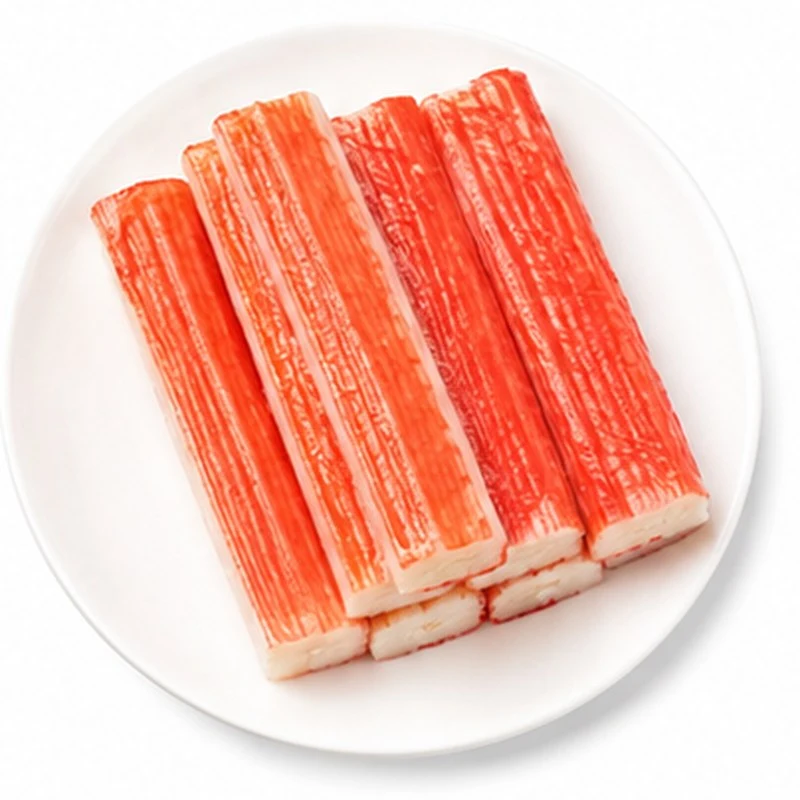
Beef balls (牛肉丸, more expensive but similar texture), shrimp paste balls (more delicate), crab sticks for a similar processed-seafood convenience.
Common Mistakes to Avoid
- Not waiting for them to float — pulling before they're fully cooked through
- Adding too many at once — a full bag lowers broth temperature by several degrees
- Treating all fish balls equally — handmade HK-style bounce dramatically more than machine-made factory balls
Regional Styles That Feature This
Frequently Asked Questions
What are the different types of fish balls?
Plain fish balls (鱼丸) are the most common. Stuffed fish balls (有馅鱼丸) have a pork or other filling inside. Cuttlefish balls (墨鱼丸) are darker and have a stronger seafood flavour. Tenggiri fish balls from Malaysia are considered premium.