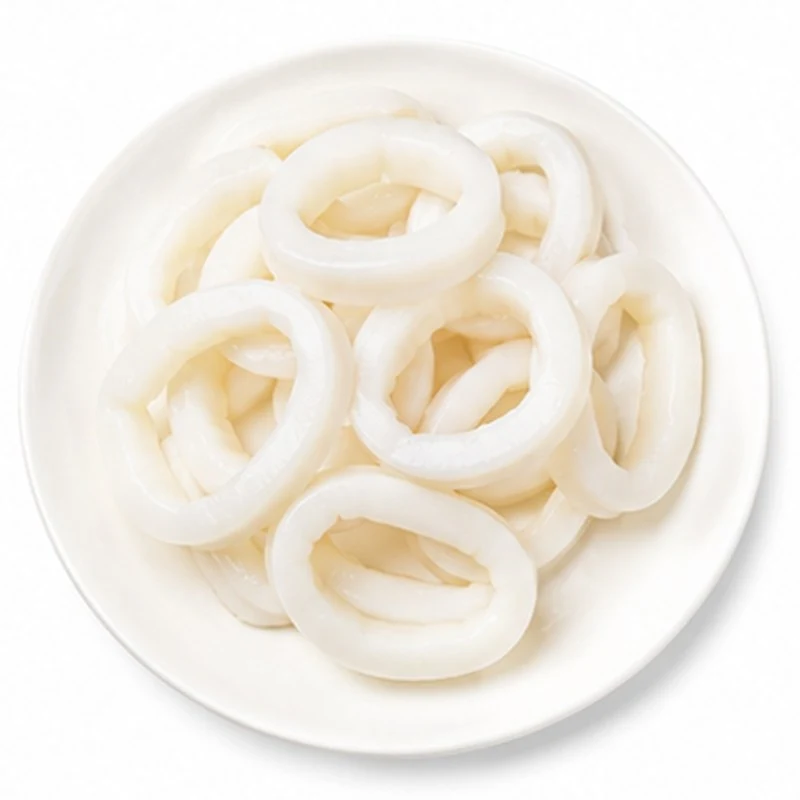
What Is Squid?
Squid (and its larger cousin cuttlefish) is scored in a crosshatch pattern before hot pot cooking, causing it to curl dramatically into beautiful flower shapes as it hits the hot broth. The scoring also tenderizes the flesh and helps sauces cling. Fresh squid has a clean, subtly oceanic flavor and a satisfying chew. At many hot pot restaurants, squid is scored table-side as a display of knife skill.
Flavor & Texture
Flavor
Mild ocean sweetness, clean and slightly briny
Texture
Tender with a satisfying chew when cooked right; tough if overdone
How to Cook Squid in Hot Pot
Scored squid curls up and becomes opaque — that is your signal. 30-60 seconds in rolling broth. Avoid overcooking: rubbery squid is the main failure mode.
Best Broths to Pair With
Recommended Dipping Sauce
Spicy sha cha sauce highlights the mild seafood flavour. Citrus ponzu or soy-ginger work well for a cleaner, more delicate finish.
Substitutes & Alternatives
Cuttlefish (墨鱼, mò yú) — firmer, slightly more flavourful. Abalone slices for a premium substitute. Large prawns as a simpler alternative.
Common Mistakes to Avoid
- Cooking past 60 seconds — squid becomes rubber almost instantly after the ideal window
- Not scoring the squid — it won't curl, won't cook as evenly, and loses the visual appeal
- Adding to a very cloudy broth — the dramatic curling visual effect is part of the experience
Regional Styles That Feature This
Frequently Asked Questions
Why does squid curl when cooked?
The scoring (crosshatch cuts) on the surface causes the muscle fibres to contract differently when heat is applied, making the squid curl inward. It is both a cooking technique and a presentation trick.