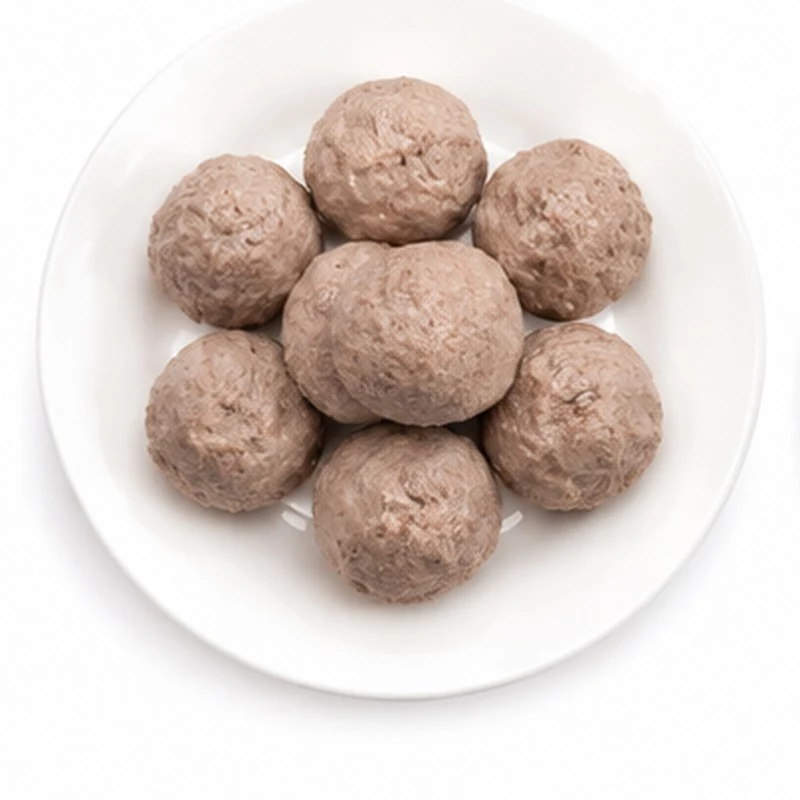
What Is Beef Meatballs?
Chaoshan (潮汕) hand-beaten beef meatballs are one of China's greatest street food treasures. Made by pounding fresh beef with two heavy iron rods for up to 30 minutes until the proteins form an elastic paste, they have a legendary bouncy snap that cheap factory versions cannot replicate. High-quality Chaoshan beef balls literally bounce off the table. They are entirely different from the soft, yielding meatballs of other cuisines.
Flavor & Texture
Flavor
Pure, concentrated beef flavor, slightly savory
Texture
Bouncy, elastic, firm — the snap is the point
How to Cook Beef Meatballs in Hot Pot
Thaw frozen meatballs in the refrigerator or under cold running water. Add them to simmering broth in a single layer. They are ready when they float, feel firm when pressed, and are steaming hot in the center. Cut one in half if the package gives no cooking instructions.
Best Broths to Pair With
Recommended Dipping Sauce
Sha cha sauce with a little soy and cilantro is the classic choice. Garlic-chili soy works for a spicier finish.
Substitutes & Alternatives
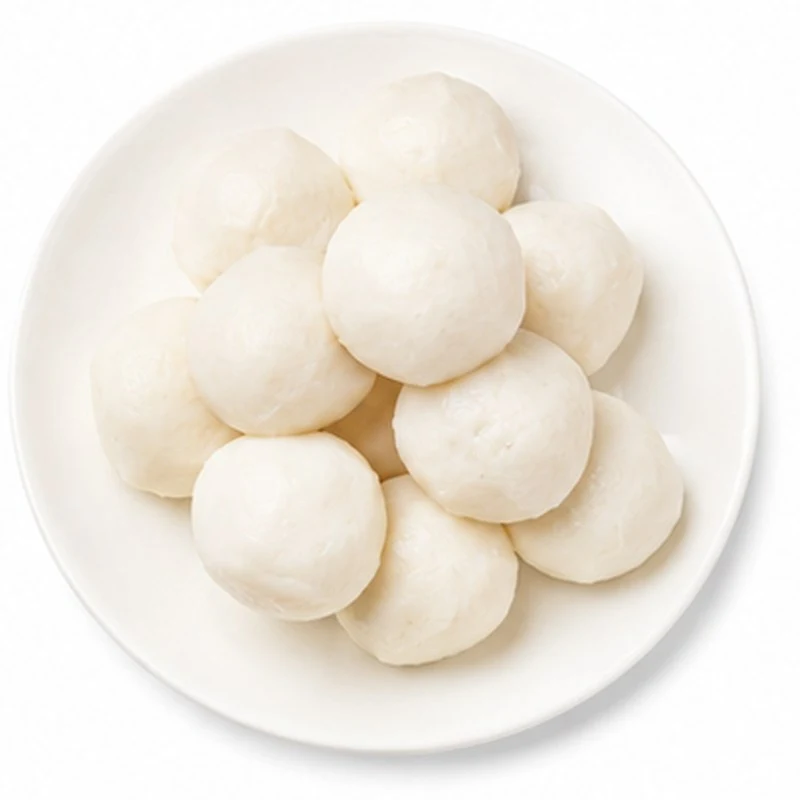
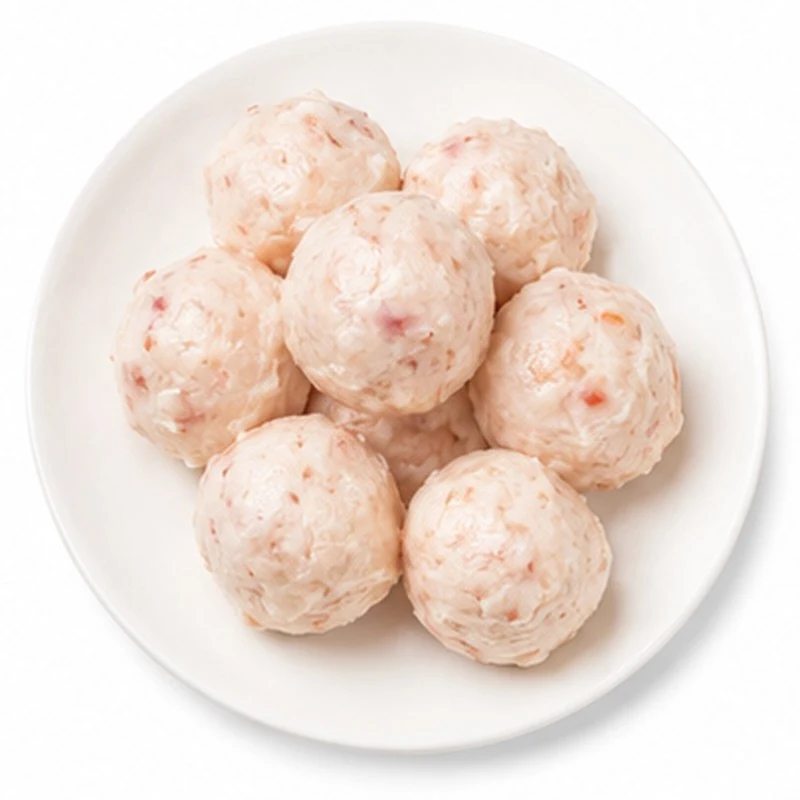
Pork balls, fish balls, or shrimp balls use the same convenient format but have different cooking times and textures.
Common Mistakes to Avoid
- Assuming every brand is pre-cooked
- Boiling aggressively until the exterior splits
- Using floating as the only safety check when the center may still be cool
Regional Styles That Feature This
Frequently Asked Questions
Why are Chaoshan beef meatballs so bouncy?
Pounding and mixing develops the beef proteins into a fine, elastic network. That technique creates the characteristic springy bite; it is not the soft breadcrumb texture of many Western meatballs.
How do I know beef meatballs are done?
Most thawed hot pot beef meatballs need 3–5 minutes. They should float, feel firm, and be hot through the center. Because sizes and brands vary, follow the package instructions and cut one open when unsure.
Are hot pot beef meatballs already cooked?
Some packaged products are pre-cooked and others are raw or partially cooked. Do not assume. Read the label and heat them thoroughly according to the manufacturer’s directions.